Most people think window tint is a summer thing.
Too much heat, too much sun, AC working overtime… makes sense.
But here's what gets overlooked every year: winter sun can do just as much damage.
And if your windows aren't protected, you'll start to notice it.
Just because it's cold doesn't mean the sun isn't doing its thing.
UV rays come through your windows year-round, even on cloudy days. In fact, with the sun sitting lower in the sky during winter, it often hits your windows at a more direct angle.
That means more exposure, not less.
Over time, that leads to:
It's slow, but it adds up.
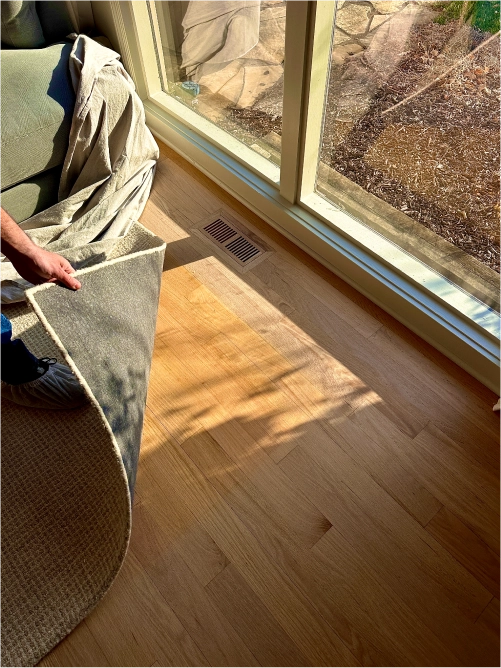
Winter glare is a different kind of annoying.
The lower sun angle means light comes straight into your space, bouncing off screens, making it harder to watch TV, work, or even just relax.
If you've ever had to adjust your blinds constantly in the winter, you know exactly what this feels like.
Window tint helps cut that glare down without making your space feel dark.
Here's something most people don't think about:
Windows without tint aren't great at insulation.
That means in the winter, heat escapes more easily, and your HVAC system has to work harder to keep things comfortable. At the same time, you can still get uneven heat from direct sunlight coming in.
Window film helps regulate that by improving insulation and balancing temperatures throughout your space.
This is the part people usually don't notice right away.
Without window tint, your home or business is constantly exposed to:
It doesn't feel like a big deal day-to-day, but over time, it affects how your space looks, feels, and functions.
Window tint isn't just about beating the summer heat.
It's about protecting your space in every season.
In the winter, it helps:
It's one of those upgrades that quietly does a lot of work in the background.
If you're only thinking about window tint when it's hot outside, you're missing half the benefit.
Winter is actually a great time to get ahead of the problem and protect your space before the damage adds up.

©Red Barn Media Group 2026
